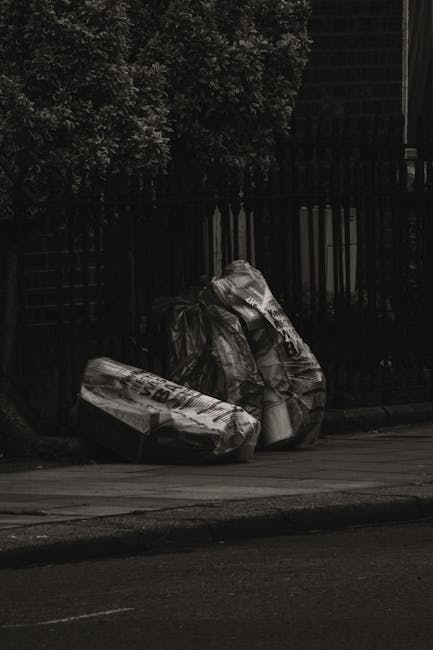
Little Venice bulky rubbish removal tips for narrow streets

If you have ever tried to move a sofa, broken wardrobe, or pile of renovation waste through a tight mews, you already know the problem: Little Venice looks calm and elegant, but the streets can be awkward for bulky rubbish removal. Vans need room, neighbours need access, and one badly timed load can block a road that barely fits two cars side by side. This guide gives you practical Little Venice bulky rubbish removal tips for narrow streets, with a focus on planning, safety, speed, and keeping the whole job as stress-free as possible. Truth be told, a good clearance in an area like this is less about brute force and more about timing, route planning, and knowing what to leave to the professionals.
Whether you are clearing a flat, emptying a basement, getting rid of old furniture, or dealing with post-refurbishment debris, the trick is to think like a logistics planner for ten minutes before you lift a thing. That tiny bit of preparation can save a lot of backtracking, noise, and awkward apologies to the people next door.
Why Little Venice bulky rubbish removal tips for narrow streets Matters
Little Venice has a lot going for it: period properties, canal-side character, compact streets, and the sort of London charm people move here for. But bulky rubbish removal in a place like this is never as simple as pulling a van up outside and loading everything in. Narrow streets change the job completely. Access can be limited, parking is often tight, and a single oversized item can make the difference between a smooth collection and a frustrated morning of repositioning, carrying, and waiting.
That matters for three big reasons. First, safety. Lifting heavy furniture through cramped hallways and down stairwells increases the risk of damage and injury. Second, courtesy. In a dense neighbourhood, blocking access or leaving items in the wrong place creates friction very quickly. Third, efficiency. The more precise the plan, the less time waste builds up. And if you are paying for a removal service, you want the visit to be tidy and decisive, not a long shuffle from one end of the street to the other.
In our experience, the best results come from treating narrow-street clearance as a controlled operation rather than a spontaneous one. That sounds a bit dramatic, maybe, but it is true. A couple of measurements, a clear route, and the right load order can make a very awkward property feel manageable.
Expert summary: In narrow streets, bulky rubbish removal is won or lost before the van arrives. Measure access, separate items, choose the right collection method, and keep the load route as short and clear as possible.
How Little Venice bulky rubbish removal tips for narrow streets Works
The process usually starts with assessing what needs to go, where it is located, and how it will leave the property. In narrow streets, that assessment is not optional. A clearance team needs to understand whether items can be carried out in one piece, whether they need dismantling, and whether parking or stopping space is available without causing disruption. Even a short walk from the property to the vehicle can affect the time and effort involved.
For residents and landlords, the practical flow is usually:
- Identify the bulky items and decide what is actually being removed.
- Check access from the room to the street, including stairs, corners, and tight hallways.
- Separate reusable, recyclable, and general waste where possible.
- Book the removal for a time that suits the street, the building, and the neighbours.
- Prepare the items in advance so the loading process is quick.
The removal itself might involve two people, protective equipment, trolleys, straps, or careful manual carrying, depending on the load. For awkward items like white goods, wardrobes, or mattresses, a little dismantling can be the difference between a smooth exit and a scrape against a banister. And nobody wants that. Not the bannister, not the wall, not you.
If you are dealing with mixed waste, it is worth checking what can go in a skip before deciding whether a skip-style solution, a direct collection, or a mixed waste removal is more suitable. In some situations, the item mix itself will decide the method more than the street layout does.
Key Benefits and Practical Advantages
When bulky rubbish removal is planned properly in a narrow street, the benefits are immediate. You save time, reduce the chance of property damage, and make the whole process far less stressful. That might sound obvious, but anyone who has tried to move a couch around a tight stair landing will know it is easier said than done.
- Less disruption: A well-timed collection limits noise, traffic confusion, and neighbour complaints.
- Lower risk of damage: Careful handling protects walls, floors, door frames, and furniture you are keeping.
- Better access planning: Knowing exactly where the van or crew can stop avoids awkward last-minute reshuffling.
- Cleaner sorting: Reusable items, recyclable materials, and waste can be separated more efficiently.
- Faster completion: The load can be removed in a single, organised run instead of several smaller, messy ones.
There is also a quieter benefit: peace of mind. If the job is planned well, you are less likely to spend the day worrying about whether the sofa will fit through the hallway or whether a neighbour will be stuck behind a pile of rubbish. That alone is worth a lot, especially in a dense part of London where everyone notices everything.
For people managing larger clearances, the right service also helps reduce the burden on the household. A full property clearance, for example, can be easier to coordinate through house clearance support or flat clearance options where access and lifting are handled as part of the job.
Who This Is For and When It Makes Sense
This kind of advice is most useful if you live or work in a property with limited outside space, a narrow entrance, or restricted roadside parking. In Little Venice, that often means mansion blocks, terraces, converted flats, basement homes, mews properties, and small offices tucked into older buildings. If you are thinking, "Yes, that sounds exactly like my place," then you are in the right place.
It makes sense when you need to remove:
- old sofas, armchairs, or mattresses
- broken appliances or white goods
- wardrobes, shelving, beds, and other bulky furniture
- builder's waste after a light renovation
- garage or loft clutter that has built up over years
- office furniture, filing cabinets, or confidential material
It is also useful for landlords between tenancies, letting agents arranging end-of-lease clearances, and homeowners who want to clear space before decorating or selling. A lot of people leave these jobs too long, then suddenly realise they need the hallway clear before Friday. Classic. Happens more often than you would think.
If the job is mostly old seating, beds, or worn-out soft furnishings, the page on mattress and sofa disposal is a useful reference point for planning the right type of collection.
Step-by-Step Guidance
A narrow-street clearance is much easier when you break it into sensible stages. Here is a practical sequence that works well for most Little Venice properties.
- Walk the route first. Start at the item and trace the full path to the street. Look for tight turns, low ceilings, narrow staircases, and anything awkward like a radiator or protruding shelf.
- Measure the big items. Measure width, height, and depth. Do not forget door handles, legs, and anything fixed that might catch on a frame.
- Decide what must be dismantled. Beds, wardrobes, and large desks often move better in sections. A few screws removed early can save a huge amount of struggle later.
- Sort the load. Keep recyclable materials separate where possible, and make sure hazardous or restricted waste is not mixed in with general rubbish.
- Book a sensible time slot. In a busy street, early collections or lower-traffic periods are often easier. Just be mindful of residents' routines and any local access limitations.
- Clear the loading zone. Move cars, bikes, bins, and anything else that could block the exit path.
- Prepare protection. Door frames, floors, and corners can be protected with blankets, cardboard, or covers if the items are tight to move.
- Load in the right order. Put the biggest and heaviest items in first if the plan is vehicle-based, or carry items in an order that keeps the route open and safe.
A simple rule helps here: if something feels likely to snag, tip, or scrape, slow down and rethink the route. Fast is good. Careless is not.
For jobs involving sheds, leftover garden materials, or outdoor clutter, a related service such as garden clearance can be a better fit than trying to bundle everything into one general load.
Expert Tips for Better Results
There are a few small decisions that make a surprisingly big difference in narrow streets. These are the kinds of things experienced crews pay attention to almost automatically.
- Pre-stage items near the exit. If it is safe to do so, move items to a ground-floor holding spot before the collection date. That reduces carrying time on the day.
- Keep one clear path. Sounds basic, but it is easy to forget. One open route is better than three half-open ones.
- Use smaller carry teams for tight corners. Two people often move better than four in cramped interiors. Too many hands becomes a problem, not a help.
- Protect your neighbours' day. Give notice if a van may briefly stop outside. A quick heads-up can prevent complaints that spiral for no good reason.
- Think about weight distribution. Heavy items should be handled by people who can do so safely, with lifting done from the legs and not the back.
- Choose the right disposal route for the waste type. Fridges, appliances, and awkward electricals need different handling from regular furniture. If the job includes white goods, take a look at fridge and appliance removal before planning the rest.
One small but useful habit: keep a box of tools nearby. Allen keys, a screwdriver, packing tape, gloves, and a marker pen can turn a messy half-hour into a neat ten-minute adjustment. Nothing glamorous. Very useful, though.
If the clearance contains sensitive paperwork or office leftovers, consider whether confidential shredding should be handled at the same time. It keeps the disposal process simpler and, frankly, less stressful.
Common Mistakes to Avoid
The biggest mistakes are usually the simplest ones. The problem is that simple mistakes are easy to make when you are focused on the clutter itself rather than the route out of the building.
- Leaving measuring until the last minute. If an item will not fit through the hallway, you want to know before the crew arrives.
- Assuming narrow streets always mean a skip is impossible. Sometimes it is, sometimes it is not. But you should assess access rather than guess. If you are unsure, compare the options with what can go in a skip and make the call based on the actual load.
- Mixing dangerous materials into general waste. Paint, chemicals, and other hazardous items need separate handling.
- Blocking the pavement or entrance without planning. It might seem like a temporary fix, but it can quickly annoy neighbours or create a trip hazard.
- Forgetting stairwell corners and door swings. A sofa might clear the door itself and still fail at the landing. That one catches people out all the time.
- Trying to carry everything in one go. Fewer trips is good, but not if it means damaged walls or strained backs.
Another classic error is underestimating how much waste a "small tidy-up" creates. A couple of cupboards, a mattress, and a broken table can look manageable until they are stacked in the hallway. Suddenly the room feels smaller. Funny how that works.
Tools, Resources and Recommendations
You do not need a warehouse of equipment, but a few practical tools can make the difference between a smooth clearance and a sweaty, grumbly one.
| Tool or resource | Why it helps | Best use case |
|---|---|---|
| Measuring tape | Checks whether bulky items fit through doors, lifts, and corridors | Wardrobes, sofas, desks, large appliances |
| Protective blankets or covers | Reduces scuffs on walls, floors, and furniture | Narrow stairwells and decorated entrances |
| Gloves and sturdy footwear | Improves grip and safety during lifting | Any manual handling job |
| Trolley or sack truck | Helps move heavier loads more safely | Appliances, boxed waste, small furniture |
| Screwdriver and hex key set | Useful for dismantling items quickly | Beds, shelving, flat-pack furniture |
| Clear labelling | Prevents confusion when sorting items | Mixed waste, reusable items, donations, recyclables |
If you are comparing service types, it can help to look at the broader clearance pages as well. For example, furniture clearance is often the right fit for bulky domestic items, while builders waste clearance is more suitable for renovation debris and heavier site waste.
For businesses, the same logic applies. Office moves and refurbishments need a plan that respects access, timing, and building rules. The service page for office clearance is worth reviewing if your bulky waste is commercial rather than domestic.
Law, Compliance and Best Practice
Any waste removal job in London should be handled with care, and that is especially true in a built-up area with narrow streets and shared access. You do not need to become a regulations expert to do the job properly, but you do need to stick to basic best practice.
At a practical level, that means:
- keeping pavements and entrances clear where possible
- avoiding unsafe lifting or dragging
- separating items that need specialist handling
- using a provider that is transparent about waste handling and disposal
- checking that any collection is carried out responsibly and with appropriate insurance
For higher-risk items, the standard of care matters even more. Refrigerators, freezers, and similar appliances should not be treated like ordinary household rubbish. Hazardous materials, if present, should be identified early. When in doubt, ask before the collection date. That is much easier than trying to sort a problem on the pavement while the street is busy and everyone is watching you pretend you meant to do that.
It is also sensible to review a provider's approach to safety and responsibility. Pages such as insurance and safety, health and safety policy, and recycling and sustainability can help you understand how a service handles risk, protection, and disposal choices. If you are booking online, the page for book online may also help streamline the process.
Options, Methods, or Comparison Table
There is rarely just one way to remove bulky waste from a narrow street. The right method depends on item size, quantity, urgency, access, and how much lifting you want to handle yourself. Here is a simple comparison.
| Method | Best for | Advantages | Watch out for |
|---|---|---|---|
| Manual self-clearance | Very small loads and short distances | Low upfront cost, total control | Time-consuming, lifting risk, hard in narrow streets |
| Skip-based disposal | Mixed waste or larger clearances with enough access | Good for ongoing loading, simple sorting | Space restrictions, permit or placement issues, not ideal for every street |
| Man-and-van collection | Furniture, household items, and mixed bulky waste | Flexible, quick, suited to tight access | Needs clear item lists and efficient preparation |
| Specialist item removal | Appliances, mattresses, confidential waste, or higher-risk materials | Safer handling, more appropriate disposal route | Requires proper identification of the item type |
For many Little Venice homes, man-and-van style removal is the most flexible answer because it works around narrow streets rather than fighting them. A skip can still be useful, but only if access and placement make sense. The street always gets the final say.
Case Study or Real-World Example
Imagine a ground-floor flat near a narrow canal-side road in Little Venice. The resident needs to clear a large wardrobe, a mattress, two chairs, and a few bags of old household items before new flooring is fitted the next morning. There is limited outside space, a tight hallway, and a shared entrance that several neighbours use throughout the day.
Rather than trying to move everything in one messy rush, the best approach is to dismantle the wardrobe first, wrap the corners of the larger pieces, and stage the items close to the exit the evening before. The mattress and chairs are grouped separately, the hallway route is cleared, and the collection is arranged for a quieter time window. The result is boring in the best possible way: no crushed skirting boards, no blocked doorway, and no awkward apology text to the neighbour downstairs.
That is what good bulky rubbish removal in narrow streets should feel like. Not dramatic. Not chaotic. Just neatly done and out of your way before the day gets going.
Practical Checklist
Use this checklist before the collection date so the job runs smoothly.
- Measure the largest items and the tightest access points.
- Confirm which items are going and which are staying.
- Dismantle furniture where it will make removal safer.
- Separate hazardous items, appliances, and general waste.
- Clear the hallway, entrance, and any loading space.
- Protect floors, walls, and door frames if needed.
- Choose a time that works for the street and your neighbours.
- Check whether special handling is needed for sofas, mattresses, or fridges.
- Have a contact number ready in case access needs a quick adjustment.
- Review the provider's pricing, safety, and waste-handling information beforehand.
Small checklist, big difference. Honestly, the whole day tends to go better once the basics are handled early.
Get a free quote today and see how much you can save.
If you are ready to clear bulky waste from a tight Little Venice street, it helps to work with a team that understands access limits, lifting risks, and local logistics. Review the relevant service pages, compare your options, and choose the method that fits the property rather than forcing the property to fit the method. That is usually the difference between a stressful day and a properly tidy finish.
Conclusion
Little Venice bulky rubbish removal tips for narrow streets come down to one simple idea: plan for the space you actually have, not the space you wish you had. Measure carefully, sort early, protect the property, and choose a removal method that suits the street. Once you do that, the whole process becomes much easier to manage, even in a tricky London setting.
Whether you are clearing a single oversized item or dealing with a fuller house, the smartest approach is usually the calm one. A little preparation goes a long way, and in a narrow street, it goes even further. That's the real win here.
Frequently Asked Questions
What is the best way to remove bulky rubbish from a narrow street in Little Venice?
The best way is usually to plan the route first, measure the items, and use a collection method that suits the access. For many homes, a man-and-van style bulky waste collection is more practical than trying to manage everything yourself.
Can a sofa be removed through a tight hallway without damage?
Sometimes, yes, but only if it is measured properly and the route is clear. If the sofa is very large, it may need to be dismantled or carried at an angle with protection on corners and frames.
Do I need to split bulky waste into different piles before collection?
It is very helpful, especially if you have a mix of furniture, appliances, and general rubbish. Sorting in advance makes loading quicker and can help ensure items that need specialist handling are treated properly.
Is a skip a good idea in a narrow Little Venice street?
It depends on access, placement, and the type of waste. In some streets it works well, but in others the available space is too limited. It is worth checking the waste type and access before choosing a skip-based option.
What should I do with old mattresses and sofas?
These are bulky and awkward items, so they are best handled through a service that deals specifically with larger household waste. If you are planning a broader clearance, it may make sense to group them with other furniture for one collection.
How far in advance should I book a bulky rubbish removal?
As early as you can. In narrow streets, timing matters because access, parking, and neighbour routines can all affect the job. Booking early gives you more flexibility, which is usually a good thing.
What if my waste includes a fridge or other appliance?
Appliances often need separate handling, so flag them early. A fridge or freezer should not be treated like standard furniture, and it is wise to choose a provider that offers appropriate appliance removal.
Can I leave items on the pavement before collection?
Only if it is safe and allowed for the situation. In general, leaving items outside without a clear plan can create access issues, trip hazards, or complaints from neighbours. It is better to coordinate the collection so items go out and away cleanly.
What kind of waste is usually hardest to remove in narrow streets?
Large wardrobes, bulky sofas, mattresses, and mixed renovation waste are often the trickiest because they are heavy, awkward, and hard to turn through tight spaces. The route matters almost as much as the item itself.
How can I avoid damaging walls and bannisters during removal?
Measure the route, protect corners, dismantle what you can, and move slowly through the tightest points. Simple protection like blankets or cardboard can reduce scuffs, especially in older properties with narrow staircases.
Is bulky rubbish removal suitable for landlords and letting agents?
Yes, very much so. It is often one of the most practical ways to clear a property between tenancies, especially when you need a fast turnaround and the building has limited access.
What should I ask a waste removal company before booking?
Ask how they handle access, what items they can take, how they deal with recycling and safety, and whether they have appropriate insurance. If the job involves sensitive or specialist waste, ask about that too. A few direct questions early on can save a lot of trouble later.
Contact the team if you want help planning a clearance that fits a narrow Little Venice street without the usual hassle.