Health & Safety Policy — Commercial Waste Paddington
 This Health and Safety policy sets out the commitment of our commercial waste operation to protect employees, contractors and the public. It applies to all commercial waste Paddington activities including collection, transport, transfer and recycling of business refuse. The purpose is to ensure risks associated with commercial rubbish services are assessed and controlled, and that everyone who works with the service is aware of their responsibilities. Safety is central to our daily operations and is embedded in planning, training and review.
Policy objectives include preventing workplace injury, minimising environmental harm and ensuring compliant waste handling. Senior management will ensure adequate resources are made available for safe commercial waste services, while supervisors will implement controls on the ground. All staff must co-operate with safety measures, report hazards and take reasonable care of themselves and others.
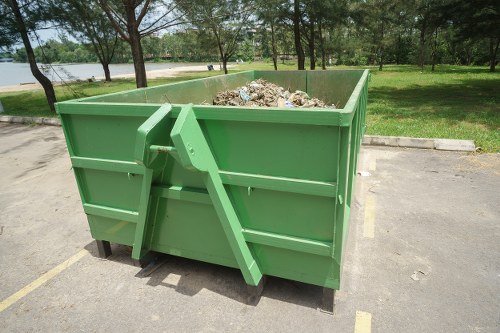 To achieve these objectives we undertake systematic risk assessments for all rubbish removal Paddington activities. Assessments identify hazards such as manual handling, vehicle movements, sharps, hazardous substances and slips or trips. Controls follow the hierarchy of risk reduction: elimination, substitution, engineering controls, administrative actions and personal protective equipment. Records of risk assessments are kept and reviewed after incidents or when operations change.
Roles, Responsibilities and Safe Systems
Managers and supervisors are responsible for implementing safe systems of work for commercial waste services and ensuring staff are competent. Key responsibilities include:
- Planning safe collection routes and yard operations to separate pedestrians and vehicles.
- Providing suitable and regularly inspected equipment for safe rubbish handling.
- Ensuring permits, licences and waste transfer documentation are managed safely and securely.
- Maintaining clear emergency procedures and ensuring staff know how to respond.
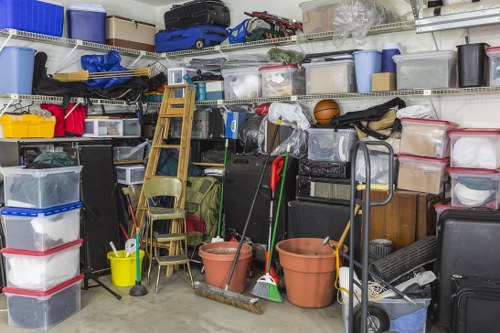 Employees and contractors must follow safe working procedures, attend required training and wear appropriate PPE. Training covers safe lifting techniques, containment of hazardous loads, segregation of recyclable materials, and use of tail-lifts and compactors. Staff are encouraged to use stop-work authority if they identify an immediate danger and to report near misses so that learning can be shared across the operation.
Operational Controls, Vehicles and Depot Safety
Vehicle safety is a core element of our safety policy for waste disposal Paddington activities. Controls include daily vehicle checks, secure loading practices to prevent shifting loads, and route planning that reduces the need for reversing where possible. Drivers receive training in defensive driving and in the safe operation of vehicle-mounted equipment.
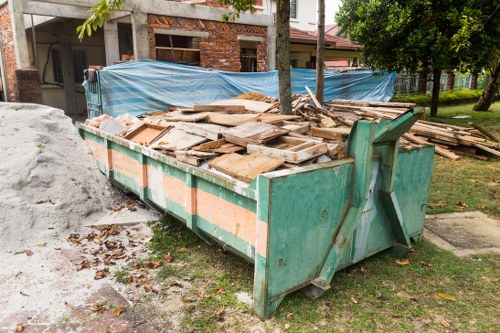 Depot and transfer station safety measures ensure segregation of waste streams and containment of liquids to prevent pollution. Mechanical plant such as compactors and crushers are fitted with guards and lockout procedures for maintenance. Housekeeping standards keep walkways clear and storage areas well organised to reduce slip, trip and fall risks.
 Emergency response and spill control procedures are in place to address incidents involving hazardous materials or accidental release. Staff are trained to contain small spills and isolate affected areas until specialist teams arrive. Incident reporting uses a standard format so that causes are analysed and corrective actions implemented; root cause analysis feeds into continuous improvement of the commercial rubbish services.
Monitoring, audit and review processes measure policy effectiveness. Routine inspections, internal audits and third-party assessments verify that controls for commercial waste collection are functioning. Performance indicators include incident rates, audit findings closed on time, and completion rates for mandatory training. Management will review this Health and Safety policy annually or sooner if operational changes occur.
Record keeping is integral to compliance: training records, risk assessments, maintenance logs, incident reports and waste transfer notes are retained in accordance with organisational requirements. Data is used to track trends and target improvement efforts where they will deliver the greatest reduction in risk.
We foster a safety culture where every team member understands that occupational health matters as much as physical safety. Practical measures such as manual handling coaches, occupational health surveillance, and fatigue management support the wellbeing of staff involved in the collection and processing of rubbish. By combining robust procedures with engaged people we deliver reliable and safe commercial waste services for business customers.
Policy Commitment: senior leadership commits to providing a safe working environment and resourcing the controls required to manage risk. This statement represents the organisation's intentions for safe and compliant commercial waste operations and will be communicated to all staff and contractors.
Review: this policy will be kept under review to reflect legislative changes, operational developments and lessons learned from incidents. Continuous improvement is expected and measured, with clear accountability for delivering safer waste management and rubbish removal activities.
Signed (on behalf of the organisation): Management Team — effective from the date of publication. All employees and contractors are required to familiarise themselves with this policy and to act in accordance with it while undertaking any commercial waste task.
